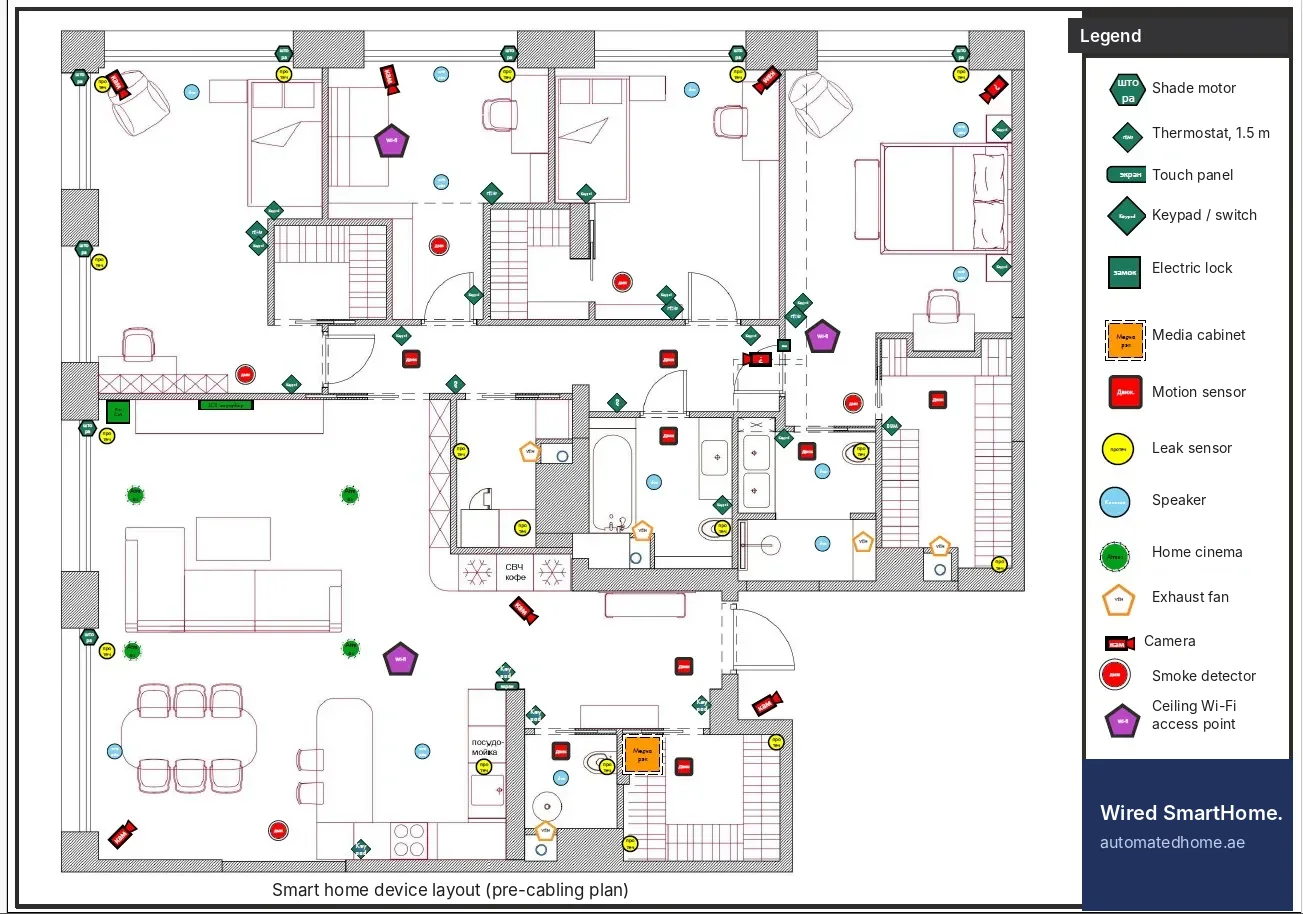
Money doesn't guarantee a good smart home. Real photos from homes we were asked to fix — and what the same budget achieves when the system is designed properly.
Home automation is complex, and even with an unlimited budget the choice of installer matters more than the choice of brand. Before work starts, make sure the company is certified for the equipment it proposes — and has real experience, because experience is what you're actually paying for.
Important: these are not our projects. They are homes whose owners asked us to "fix this". Prices are approximate equipment costs at the time.
1. A keypad, a tablet and switches for the same room
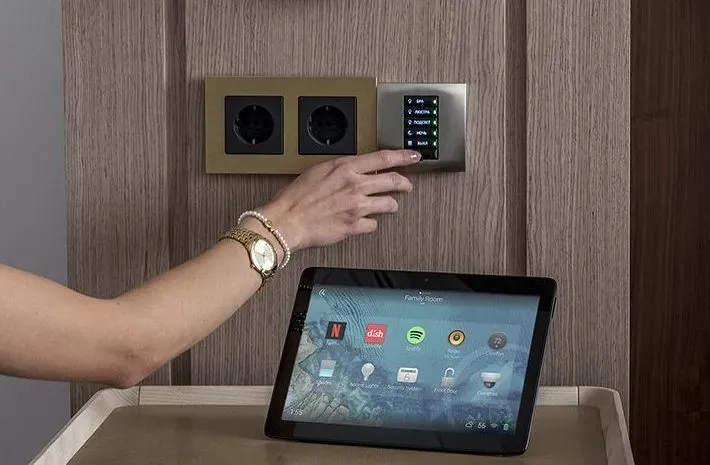
Three ways to control the same lights in one spot. Nobody explained to the owner which one to use, so the family went back to the ordinary switches. A proper design puts one clear keypad by the door and leaves the tablet for music, cameras and climate.
2. Three devices where one panel is enough
A Control4 touch screen (about $1,500), a separate alarm keypad (about $200) and an intercom handset — side by side on the same wall. The system has been able to integrate security and intercom for years. Here is the same task done properly:
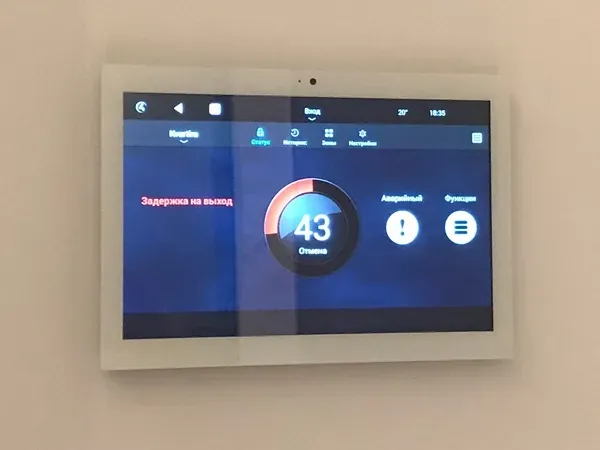
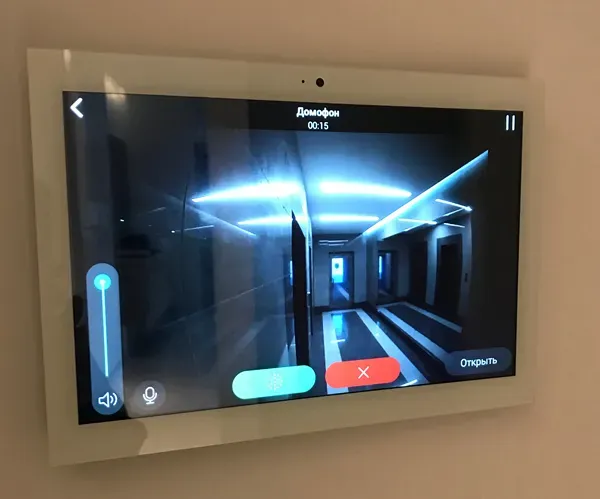
With integration you can arm the house from any panel or phone — even from the bathroom. Let it never be needed, but in an emergency you could lock yourself in a safe room and call the security company from there.
3. A remote for every climate device
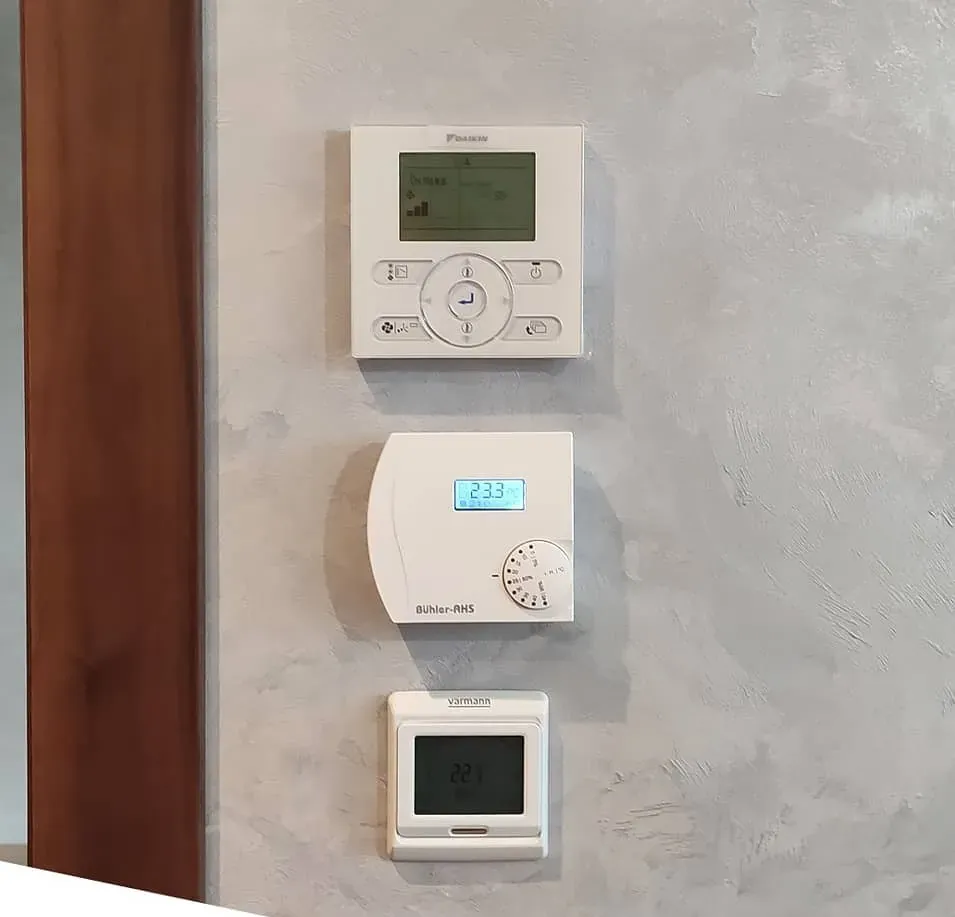
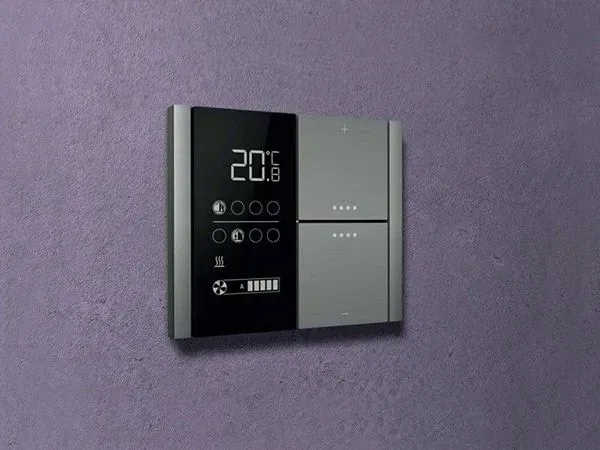
A ducted AC (about $2,000 plus a $100 remote), a misting humidification system (from $12,000 plus a $300 controller) and a convector — each with its own controller, each set to its own temperature. In our projects this is one thermostat that keeps both temperature and humidity automatically:
4. Premium lighting with a separate screen that freezes

A house of 1,800 m² with some of the best architectural luminaires in the world — about $240,000 of lighting. The lighting has its own control screen (about $2,000), which regularly froze; the manufacturer later stopped producing its control system altogether. The luminaires are still superb. The lesson: choose lighting fixtures for light quality, and the control system for reliability and integration — they don't have to come from the same brand.
5. One switch per lighting group
The cover photo of this article: a house valued at about $2.2 million at sale. Not a single key is engraved, two-way switches always point in different directions, and the "all off" scenario takes 13 presses — if you remember which lights are on. A scene keypad with "Evening", "Night" and "All off" would have replaced the whole row.
6. A phone full of "smart" apps
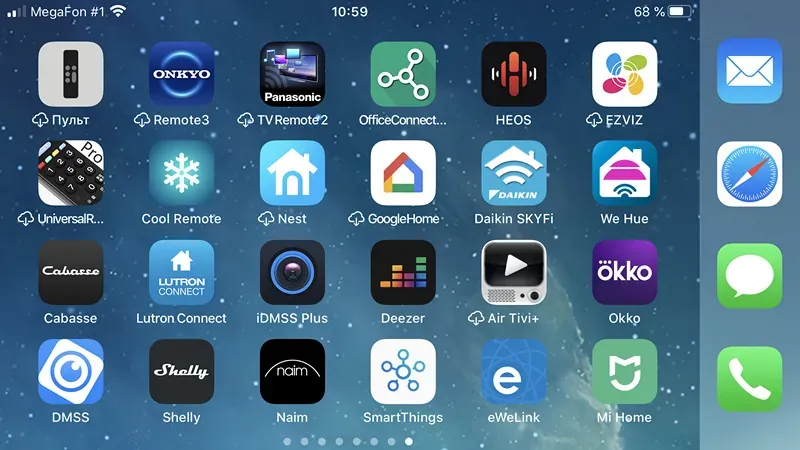
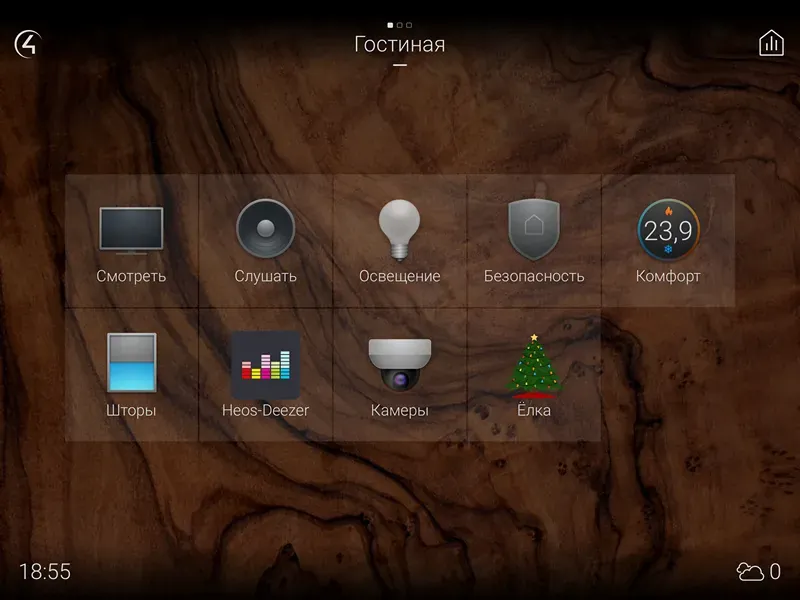
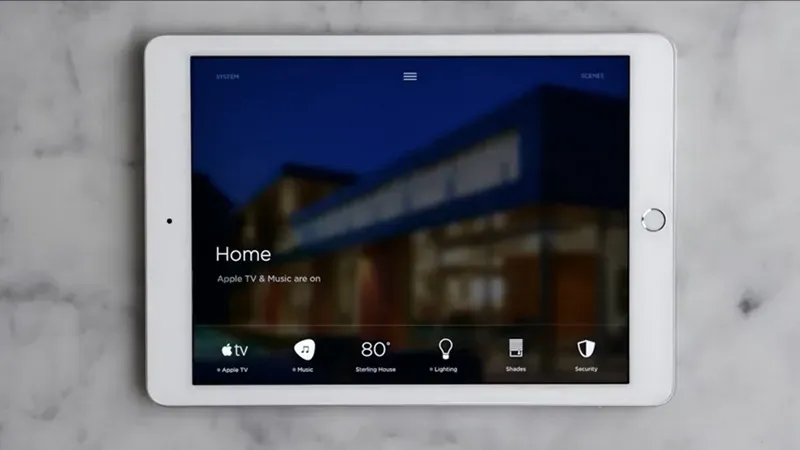
Compare it with an integrated interface — rooms first, then what you want to do in the room:
The takeaway
Work with professional integrators and start with a design. In the end it is far more convenient — and usually cheaper — than putting a separate remote for every device on the wall. A lot of money is at stake, and it is painful when the result doesn't meet expectations. See how our smart home design service prevents exactly these mistakes.
Questions clients ask most
How do I check an installer before hiring?
Ask for manufacturer certification for the system they propose, visit or call two or three finished projects, and ask who will program the system and support it after handover.
Find out what your home needs — and what it will cost
Get a free smart home planFree and with no obligation · No pushy calls — we reply where you prefer